大家好,我是哪吒。
今天,通过代码实例、源码解读、四大工具类横向对比的方式,和大家一起聊一聊对象赋值的问题。
在实际的项目开发中,对象间赋值普遍存在,随着双十一、秒杀等电商过程愈加复杂,数据量也在不断攀升,效率问题,浮出水面。
问:如果是你来写对象间赋值的代码,你会怎么做?
答:想都不用想,直接代码走起来,get、set即可。
问:下图这样?
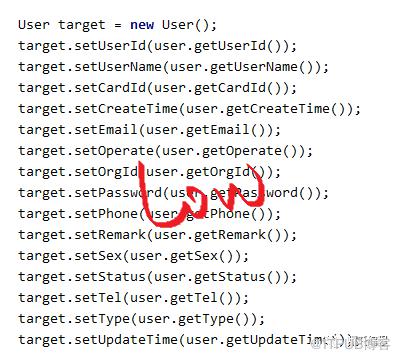
答:对啊,你怎么能把我的代码放到网上?
问:没,我只是举个例子
答:这涉及到商业机密,是很严重的问题
问:我发现你挺能扯皮啊,直接回答问题行吗?
答:OK,OK,我也觉得这样写很low,上次这么写之后,差点挨打
对象太多,ctrl c + strl v,键盘差点没敲坏; 而且很容易出错,一不留神,属性没对应上,赋错值了; 代码看起来很傻缺,一个类好几千行,全是get、set复制,还起个了自以为很优雅的名字transfer; 如果属性名不能见名知意,还得加上每个属性的含义注释(基本这种赋值操作,都是要加的,注释很重要,注释很重要,注释很重要); 代码维护起来很麻烦; 如果对象过多,会产生类爆炸问题,如果属性过多,会严重违背阿里巴巴代码规约(一个方法的实际代码最多20行);
问:行了,行了,说说,怎么解决吧。
答:很简单啊,可以通过工具类Beanutils直接赋值啊
问:我听说工具类最近很卷,你用的哪个啊?
答:就Apache自带的那个啊,贼简单。我手写一个,给你欣赏一下。
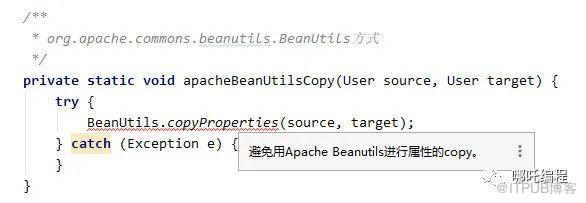
问:你这代码报错啊,避免用Apache Beanutils进行属性的copy。
答:没报错,只是严重警告而已,代码能跑就行,有问题再优化呗
问:你这什么态度?人事在哪划拉的人,为啥会出现严重警告?
答:拿多少钱,干多少活,我又不是XXX,应该是性能问题吧
问:具体什么原因导致的呢?
答:3000块钱还得手撕一下 apache copyProperties 的源代码呗?
通过单例模式调用copyProperties,但是,每一个方法对应一个BeanUtilsBean.getInstance()实例,每一个类实例对应一个实例,这不算一个真正的单例模式。
public static void copyProperties(Object dest, Object orig) throws IllegalAccessException, InvocationTargetException {
 BeanUtilsBean.getInstance().copyProperties(dest, orig);
}
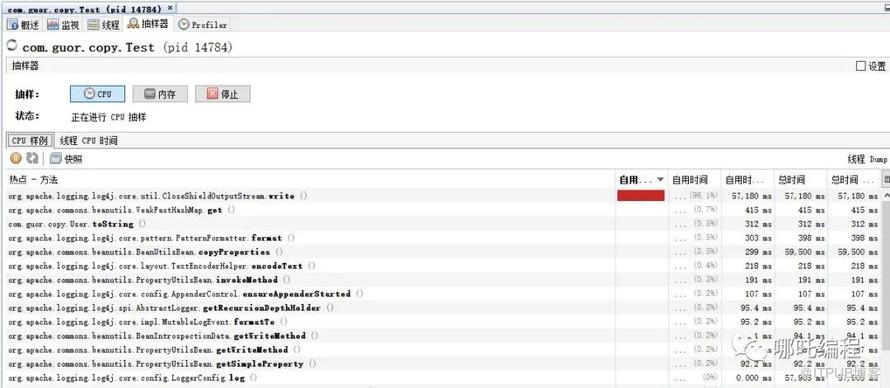
性能瓶颈 --> 日志太多也是病
通过源码可以看到,每一个copyProperties都要进行多次类型检查,还要打印日志。
public void copyProperties(Object dest, Object orig) throws IllegalAccessException, InvocationTargetException {
    // 类型检查
    if (dest == null) {
        throw new IllegalArgumentException("No destination bean specified");
    } else if (orig == null) {
        throw new IllegalArgumentException("No origin bean specified");
    } else {
        // 打印日志
        if (this.log.isDebugEnabled()) {
            this.log.debug("BeanUtils.copyProperties(" + dest + ", " + orig + ")");
        }

        int var5;
        int var6;
        String name;
        Object value;
        // 类型检查
        // DanyBean 提供了可以动态修改实现他的类的属性名称、属性值、属性类型的功能
        if (orig instanceof DynaBean) {
            // 获取源对象所有属性
            DynaProperty[] origDescriptors = ((DynaBean)orig).getDynaClass().getDynaProperties();
            DynaProperty[] var4 = origDescriptors;
            var5 = origDescriptors.length;

            for(var6 = 0; var6 < var5; ++var6) {
                DynaProperty origDescriptor = var4[var6];
                // 获取源对象属性名
                name = origDescriptor.getName();
                // 判断源对象是否可读、判断目标对象是否可写
                if (this.getPropertyUtils().isReadable(orig, name) && this.getPropertyUtils().isWriteable(dest, name)) {
                    // 获取对应的值
                    value = ((DynaBean)orig).get(name);
                    // 每个属性都调用一次copyProperty
                    this.copyProperty(dest, name, value);
                }
            }
        } else if (orig instanceof Map) {
            ...
        } else {
            ...
        }

    }
}
通过 jvisualvm.exe 检测代码性能
再通过jvisualvm.exe检测一下运行情况,果然,logging.log4j赫然在列,稳居耗时Top1。
问:还有其它好的方式吗?性能好一点的
答:当然有,据我了解有 4 种工具类,实际上,可能会有更多,话不多说,先简单介绍一下。
org.apache.commons.beanutils.BeanUtils; org.apache.commons.beanutils.PropertyUtils; org.springframework.cglib.beans.BeanCopier; org.springframework.beans.BeanUtils;
问:那你怎么不用?
答:OK,我来演示一下
public class Test {

    private static void apacheBeanUtilsCopyTest(User source, User target, int sum) {
        for (int i = 0; i < sum; i++) {
            org.apache.commons.beanutils.BeanUtils.copyProperties(source, target);
        }
    }

    private static void commonsPropertyCopyTest(User source, User target, int sum) {
        for (int i = 0; i < sum; i++) {
            org.apache.commons.beanutils.PropertyUtils.copyProperties(target, source);
        }
    }

    static BeanCopier copier = BeanCopier.create(User.class, User.class, false);
    private static void cglibBeanCopyTest(User source, User target, int sum) {
        for (int i = 0; i < sum; i++) {
            org.springframework.cglib.beans.BeanCopier.copier.copy(source, target, null);
        }
    }

    private static void springBeanCopy(User source, User target, int sum) {
        for (int i = 0; i < sum; i++) {
            org.springframework.beans.BeanUtils.copyProperties(source, target);
        }
    }
}
"四大金刚" 性能统计
| 方法 | 1000 | 10000 | 100000 | 1000000 |
|---|---|---|---|---|
| apache BeanUtils | 906毫秒 | 807毫秒 | 1892毫秒 | 11049毫秒 |
| apache PropertyUtils | 17毫秒 | 96毫秒 | 648毫秒 | 5896毫秒 |
| spring cglib BeanCopier | 0毫秒 | 1毫秒 | 3毫秒 | 10毫秒 |
| spring copyProperties | 87毫秒 | 90毫秒 | 123毫秒 | 482毫秒 |
不测不知道,一测吓一跳,差的还真的多。
spring cglib BeanCopier性能最好,apache BeanUtils性能最差。
性能走势 --> spring cglib BeanCopier 优于 spring copyProperties 优于 apache PropertyUtils 优于 apache BeanUtils
避免用Apache Beanutils进行属性的copy的问题 上面分析完了,下面再看看其它的方法做了哪些优化。
Apache PropertyUtils 源码分析
从源码可以清晰的看到,类型检查变成了非空校验,去掉了每一次copy的日志记录,性能肯定更好了。
类型检查变成了非空校验 去掉了每一次copy的日志记录 实际赋值的地方由copyProperty变成了DanyBean + setSimpleProperty;
DanyBean 提供了可以动态修改实现他的类的属性名称、属性值、属性类型的功能。
public void copyProperties(Object dest, Object orig) {
    // 判断数据源和目标对象不是null
    if (dest == null) {
        throw new IllegalArgumentException("No destination bean specified");
    } else if (orig == null) {
        throw new IllegalArgumentException("No origin bean specified");
    } else {
        // 删除了org.apache.commons.beanutils.BeanUtils.copyProperties中最为耗时的log日志记录
        int var5;
        int var6;
        String name;
        Object value;
        // 类型检查
        if (orig instanceof DynaBean) {
            // 获取源对象所有属性
            DynaProperty[] origDescriptors = ((DynaBean)orig).getDynaClass().getDynaProperties();
            DynaProperty[] var4 = origDescriptors;
            var5 = origDescriptors.length;

            for(var6 = 0; var6 < var5; ++var6) {
                DynaProperty origDescriptor = var4[var6];
                // 获取源对象属性名
                name = origDescriptor.getName();
                // 判断源对象是否可读、判断目标对象是否可写
                if (this.isReadable(orig, name) && this.isWriteable(dest, name)) {
                    // 获取对应的值
                    value = ((DynaBean)orig).get(name);
                    // 相对于org.apache.commons.beanutils.BeanUtils.copyProperties此处有优化
                    // DanyBean 提供了可以动态修改实现他的类的属性名称、属性值、属性类型的功能
                    if (dest instanceof DynaBean) {
                        ((DynaBean)dest).set(name, value);
                    } else {
                        // 每个属性都调用一次copyProperty
                        this.setSimpleProperty(dest, name, value);
                    }
                }
            }
        } else if (orig instanceof Map) {
            ...
        } else {
            ...
        }

    }
}
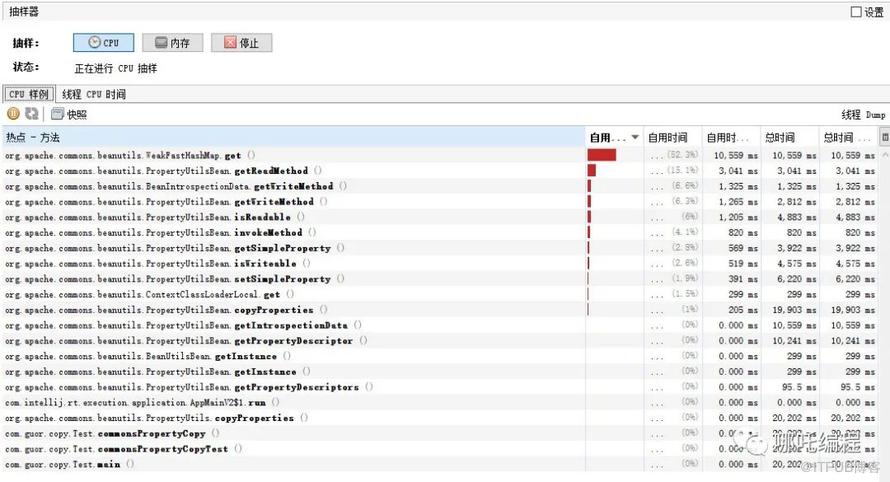
通过 jvisualvm.exe 检测代码性能
再通过jvisualvm.exe检测一下运行情况,果然,logging.log4j没有了,其他的基本不变。
Spring copyProperties 源码分析
判断数据源和目标对象的非空判断改为了断言; 每次copy没有日志记录; 没有 if (orig instanceof DynaBean) {这个类型检查;增加了放开权限的步骤;
private static void copyProperties(Object source, Object target, @Nullable Class editable,
                                   @Nullable String... ignoreProperties) {

    // 判断数据源和目标对象不是null
    Assert.notNull(source, "Source must not be null");
    Assert.notNull(target, "Target must not be null");

    /**
     * 若target设置了泛型,则默认使用泛型
     * 若是 editable 是 null,则此处忽略
     * 一般情况下editable都默认为null
     */
    Class actualEditable = target.getClass();
    if (editable != null) {
        if (!editable.isInstance(target)) {
            throw new IllegalArgumentException("Target class [" + target.getClass().getName() +
                    "] not assignable to Editable class [" + editable.getName() + "]");
        }
        actualEditable = editable;
    }

    // 获取target中全部的属性描述
    PropertyDescriptor[] targetPds = getPropertyDescriptors(actualEditable);
    // 需要忽略的属性
    List ignoreList = (ignoreProperties != null ? Arrays.asList(ignoreProperties) : null);

    for (PropertyDescriptor targetPd : targetPds) {
        Method writeMethod = targetPd.getWriteMethod();
        // 目标对象存在写入方法、属性不被忽略
        if (writeMethod != null && (ignoreList == null || !ignoreList.contains(targetPd.getName()))) {
            PropertyDescriptor sourcePd = getPropertyDescriptor(source.getClass(), targetPd.getName());
            if (sourcePd != null) {
                Method readMethod = sourcePd.getReadMethod();
                /**
                 * 源对象存在读取方法、数据是可复制的
                 * writeMethod.getParameterTypes()[0]:获取 writeMethod 的第一个入参类型
                 * readMethod.getReturnType():获取 readMethod 的返回值类型
                 * 判断返回值类型和入参类型是否存在继承关系,只有是继承关系或相等的情况下,才会进行注入
                 */
                if (readMethod != null &&
                        ClassUtils.isAssignable(writeMethod.getParameterTypes()[0], readMethod.getReturnType())) {
                    // 放开读取方法的权限
                    if (!Modifier.isPublic(readMethod.getDeclaringClass().getModifiers())) {
                        readMethod.setAccessible(true);
                    }
                    // 通过反射获取值
                    Object value = readMethod.invoke(source);
                    // 放开写入方法的权限
                    if (!Modifier.isPublic(writeMethod.getDeclaringClass().getModifiers())) {
                        writeMethod.setAccessible(true);
                    }
                    // 通过反射写入值
                    writeMethod.invoke(target, value);
                }
            }
        }
    }
}
总结
阿里的友情提示,避免用Apache Beanutils进行对象的copy,还是很有道理的。
Apache Beanutils 的性能问题出现在类型校验和每一次copy的日志记录;
Apache PropertyUtils 进行了如下优化:
类型检查变成了非空校验 去掉了每一次copy的日志记录 实际赋值的地方由copyProperty变成了DanyBean + setSimpleProperty;
Spring copyProperties 进行了如下优化:
判断数据源和目标对象的非空判断改为了断言; 每次copy没有日志记录; 没有 if (orig instanceof DynaBean) {这个类型检查;增加了放开权限的步骤;